




Creating a new website involves a structured process to ensure it meets business goals, engages users, and performs well. Whether you’re launching a new site or redesigning an existing one, following these key phases will help streamline the project.
Discovery & Planning
Before any design or development begins, it’s crucial to define the website’s purpose, target audience, and objectives. This phase includes:
- Understanding business goals and user needs
- Researching competitors and industry trends
- Creating a sitemap to outline page structure
- Gathering initial content requirements
Wire framing & UX Design
User experience (UX) design ensures that the website is intuitive and easy to navigate. This step involves:
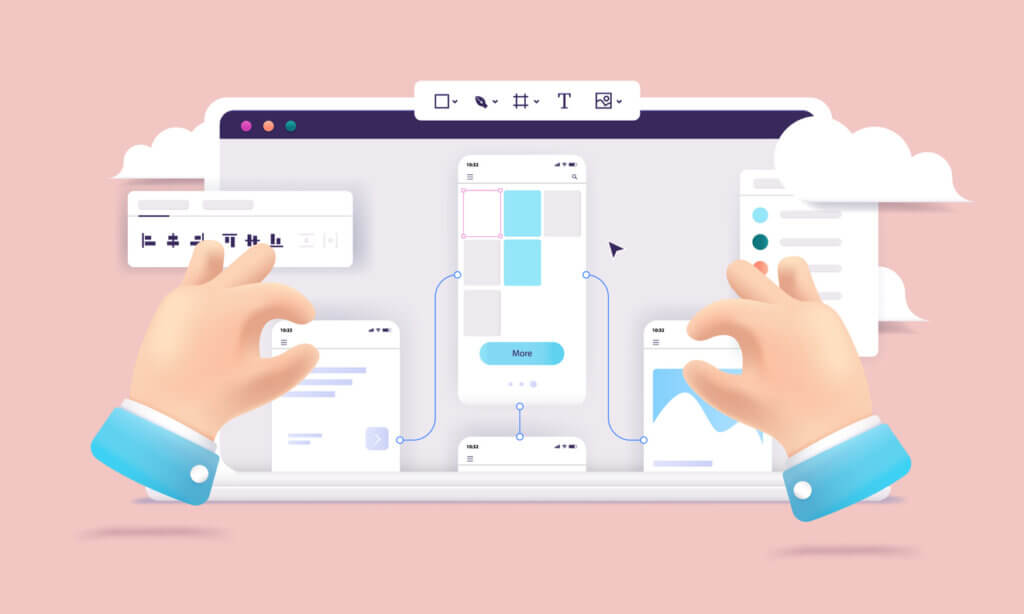
- Creating wireframes (blueprints) for page layouts
- Defining the content flow and key CTAs (Calls to Action)
- Establishing navigation and accessibility best practices
Visual Design & Branding
Once the structure is set, the visual design phase brings the website to life with:
- Colour schemes, typography, and imagery
- High-fidelity mockups reflecting the final look
- Ensuring brand consistency across all pages
Content Creation & Optimisation
Great design needs strong content. At this stage, you should:
- Finalise page copy, product descriptions, and blog content
- Optimise for SEO (keywords, meta descriptions, alt text)
- Align content with the design for readability and engagement
Development & Functionality
The website now moves into coding and backend development:
- Converting designs into a responsive website
- Integrating CMS (e.g., WordPress, Shopify) or custom development
- Adding functionality like forms, e-commerce, or booking systems
Testing & Quality Assurance
Before launching, thorough testing is essential to ensure everything works correctly:
- Cross-browser and mobile responsiveness checks
- Functionality testing (forms, buttons, links, and payments)
- Speed and performance optimisation
Launch & Post-Launch Support
Once testing is complete, it’s time to go live! This phase includes:
- Deploying the website to the live server
- Monitoring performance and resolving any initial issues
- Ongoing maintenance, security updates, and content updates
A well-planned website development process leads to a successful, user-friendly site that drives engagement and conversions. Following these structured phases ensures efficiency, quality, and a strong online presence from the start.